
For most independent hotels, the website is the cheapest sales channel they own — and the most underused. Every reservation that comes through your own site instead of an OTA is a booking without a 15–25% commission attached. Yet a surprising number of small properties still run a website that looks nice but can’t actually take a booking, sending guests back to Booking.com to close the sale.
This guide walks through how to build a hotel website with a booking engine that does the one job that matters: turning a visitor into a direct, commission-free reservation. We’ll cover the two realistic routes to get there, the design and SEO essentials that actually move conversion, and — at the end — a short list of platforms that already include website creation plus a connected booking engine.
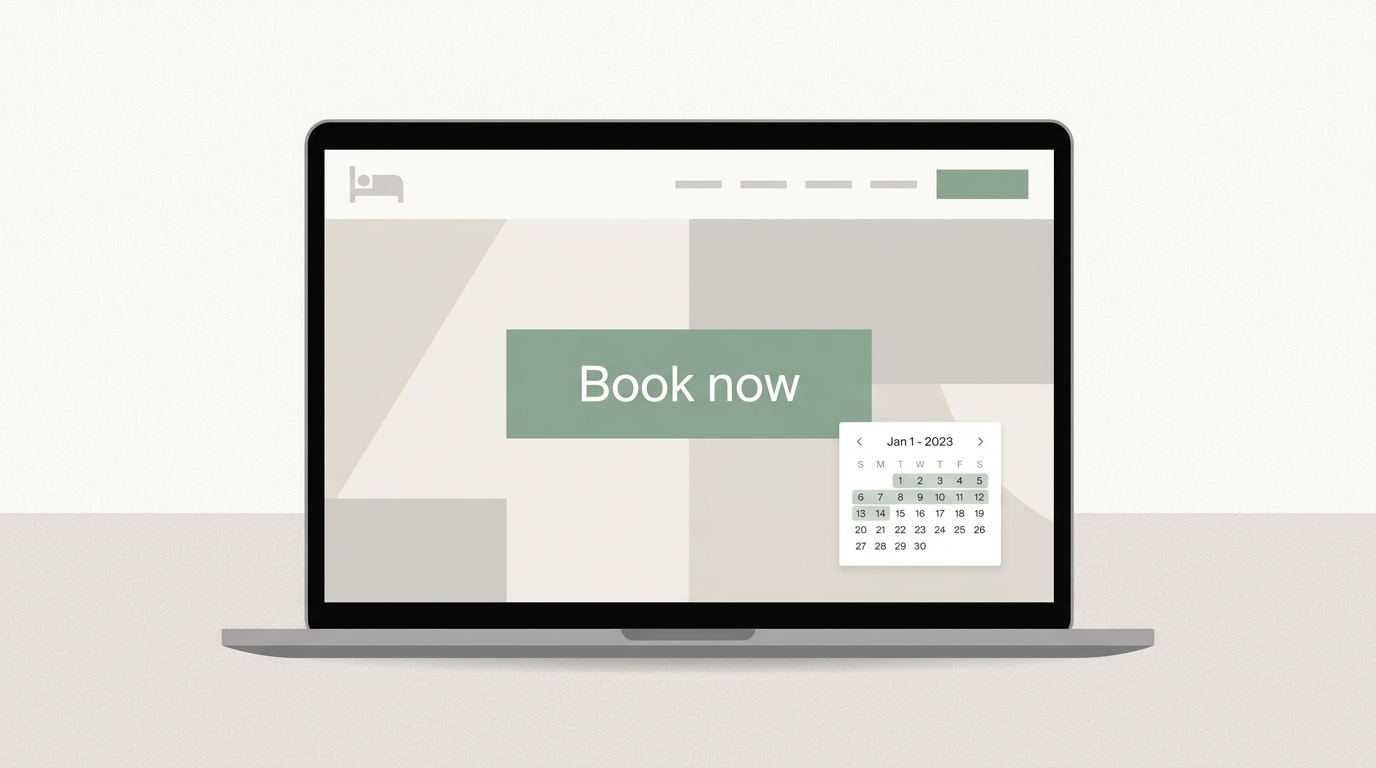
Before choosing tools, be honest about the goal. A hotel website is not a digital brochure; it’s a booking funnel. Everything on it should push toward one action: checking availability and reserving directly.
That single decision changes how you evaluate everything else. A beautiful theme that can’t connect to your availability is worse than a plain one that can. So the first requirement isn’t visual — it’s functional: your site needs a booking engine that shows live rates and availability and lets the guest pay without leaving your domain.
There are essentially two ways to build a hotel website that takes bookings. Most independent properties land on one of them depending on how much they want to manage themselves.
Route 1 — Self-built (WordPress + a booking plugin). You buy hosting and a domain, install WordPress, choose a hospitality theme, and add a booking engine via plugin or embed. This gives you maximum control and the lowest monthly cost, at the price of more setup and ongoing maintenance (updates, security, speed).
Route 2 — All-in-one platform. You use a hotel platform that includes the website (or website tools), the booking engine, and usually the channel manager and PMS in one subscription. Less control over the fine details, but far less to maintain — and, critically, your rates and availability stay in sync automatically across your site and the OTAs.
Neither is “better.” Route 1 suits the hotelier who enjoys the hands-on work and has some technical or IT experience; Route 2 suits those who’d rather spend that time running the property. The steps below apply to both, with notes where they diverge.
Your domain is your address on the web. A few practical rules:
.com. Guests and search engines still trust it most; newer extensions like .hotel carry less weight.If you already have a domain, you’re set. If not, you can register one through most hosting providers or a dedicated registrar.
If you go the WordPress route, you need hosting — the server that keeps your site online. Look for providers with strong uptime, fast servers, and 24/7 support; speed directly affects both conversion and search ranking.
If you go the all-in-one route, hosting is handled for you. This is one of the main reasons small teams choose a platform: one less technical thing to own.
Whether you use a WordPress theme or a platform’s website builder, the design priorities are the same. A hotel site converts when it:
Resist the urge to over-design. Clean layout, a small color palette, and simple navigation outperform heavy animations and clutter.
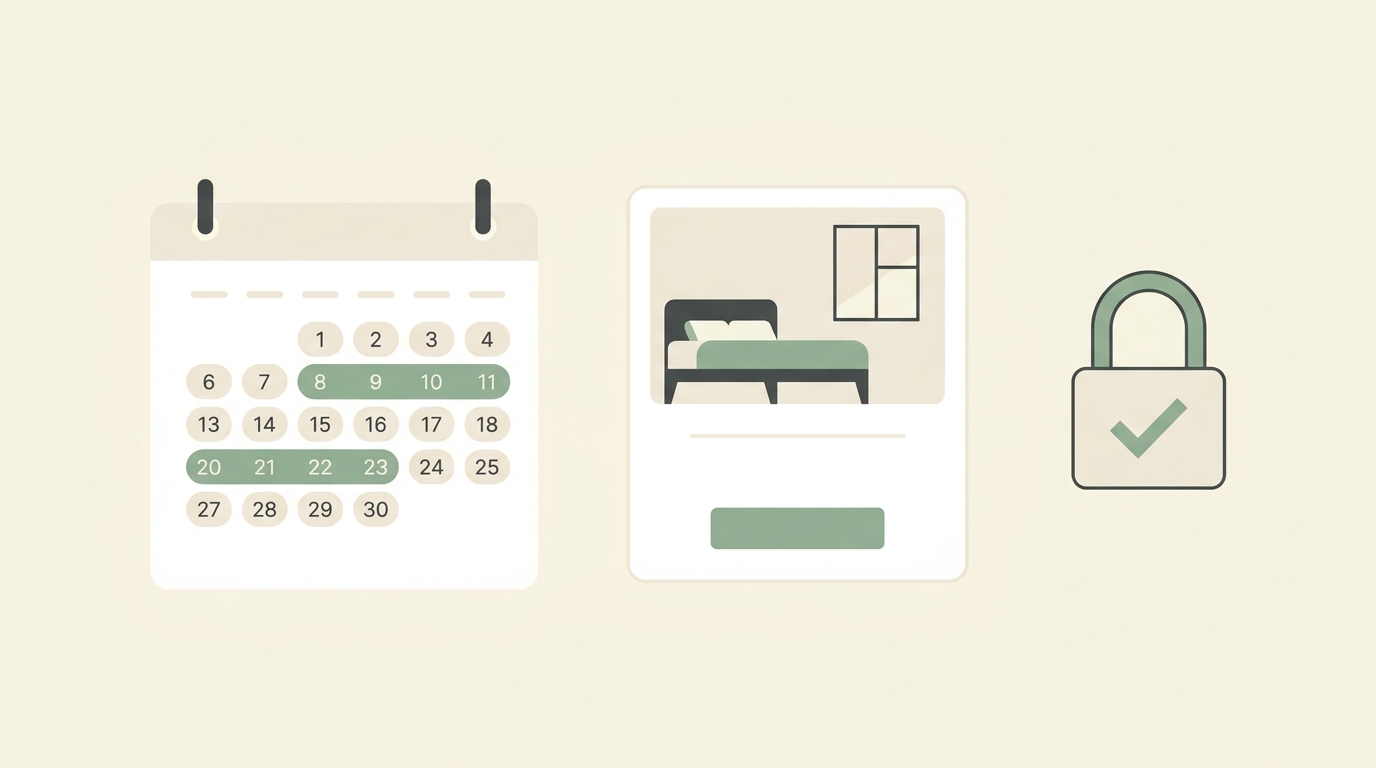
This is where many hotel websites fall short. A hotel website with a booking engine can close the sale on the spot; a site without one can’t take a reservation — it can only point the guest elsewhere.
Your booking engine should:
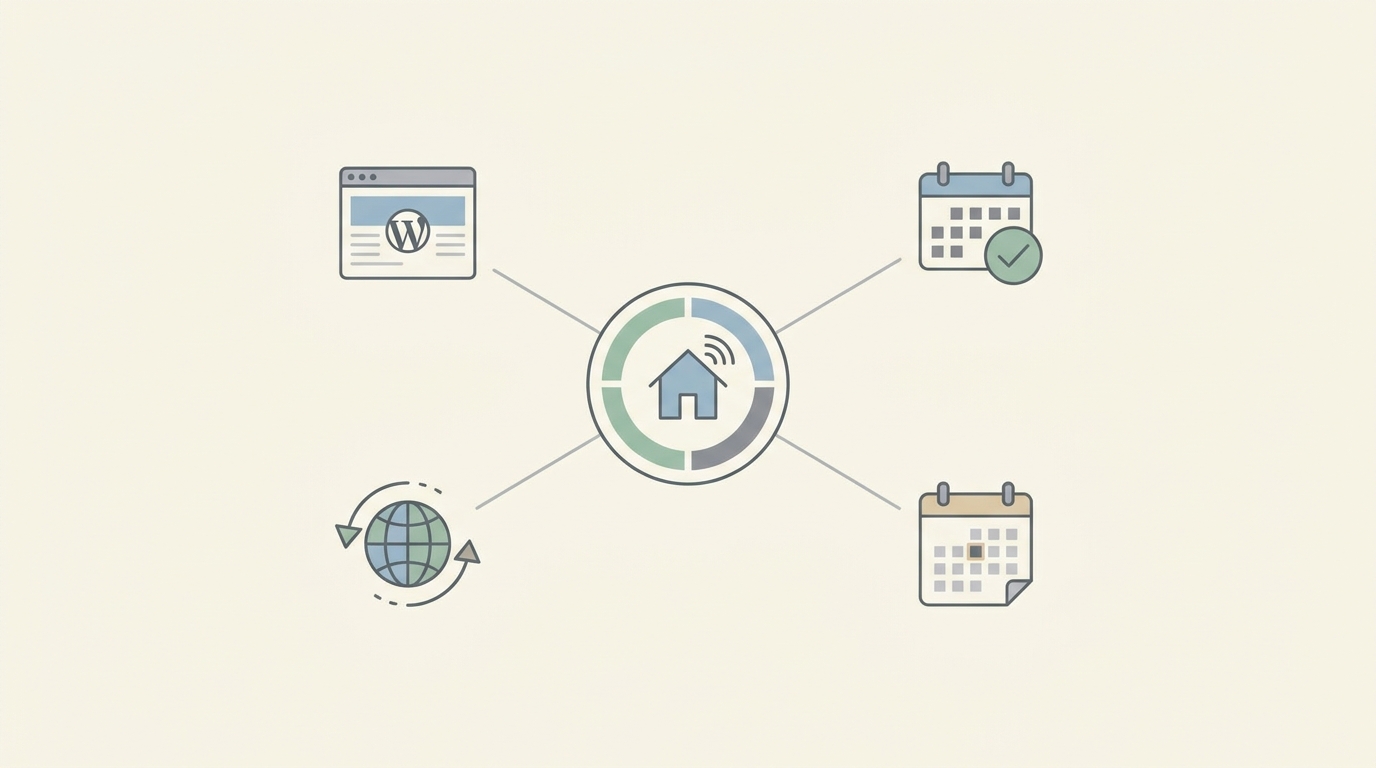
The cleanest setup is a booking engine that comes bundled with your PMS or channel manager. That way your calendar, seasonal pricing, and room types stay synced with the OTAs automatically — no logging into multiple systems, no manual updates, no overbooking. We’ll list platforms that do this at the end.
A booking-ready website still needs to be found. The fundamentals:
Once your site takes bookings, connect it to your distribution. A channel manager keeps your direct site, Booking.com, Airbnb, Expedia, and Google in sync, so a sale on one updates availability everywhere.
Then measure what matters: how many bookings come direct, your cost per direct booking versus OTA commission, and how your channel mix shifts over time. If direct revenue grows after launch, the website is doing its job.
If you don’t have time to build and maintain a site yourself, this is the most direct option: all-in-one platforms that include website creation plus a connected booking engine in the same service. It’s for hoteliers who want to be online and taking bookings without spending too much time building the website. This isn’t a ranking; it’s a starting point for matching a platform to your property.
The right choice depends on your size, budget, and how much you want to manage yourself. But the common thread is the same one this guide started with: a hotel website with a booking engine only earns its keep when it can take a direct booking — so make the booking engine the non-negotiable, and build everything else around it.